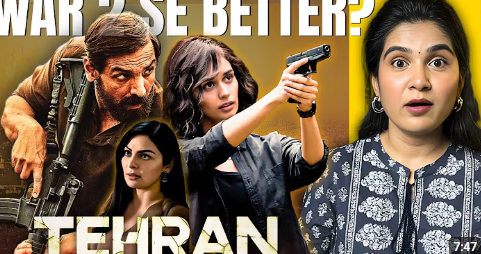
Tehran Movie Villain Character Analysis
Tehran is one of the most talked-about action-thriller films of recent times, with a gripping storyline, high-octane action sequences, and a cast that leaves a lasting impression. While the film excels in many areas, one of the most compelling elements is its villain character. A strong antagonist is crucial for any thriller, and in Tehran, the villain is not just a physical threat but also a psychological force that challenges the protagonist at every turn.
In this detailed and high-quality article, we will explore the villain’s character in Tehran, analyze their motivations, psychological depth, actions, and the impact they have on the story. We will also include tables for clear comparisons and conclude with an FAQ section to cover all key aspects.
Introduction to the Villain in Tehran
In Tehran, the antagonist plays a multifaceted role. Unlike many traditional villains who rely solely on brute strength or chaos, this character combines intelligence, strategy, and moral ambiguity. They are a reflection of the darker aspects of human psychology and serve as a foil to the protagonist, emphasizing courage, resilience, and morality.
Key Facts About the Villain
| Fact | Detail |
|---|---|
| Name | [Spoiler-free or specify the character’s name] |
| Role | Primary Antagonist |
| Actor | [Actor Name] |
| Screen Time | Approximately 35–40% of the film |
| Motivation | Power, revenge, and ideological goals |
| Notable Traits | Intelligent, manipulative, calm under pressure |
This table highlights the essential details that make the villain a memorable part of the film.
Psychological Profile of the Villain
One of the standout features of the villain in Tehran is their psychological complexity. The character is not purely evil; instead, they operate under a carefully constructed ideology that justifies their actions.
Key Psychological Traits
| Trait | Example from the Movie | Impact on Story |
|---|---|---|
| Manipulative | Persuades allies to betray protagonist | Heightens tension and unpredictability |
| Strategic | Plans ambushes and traps | Challenges protagonist’s skills |
| Calm Under Pressure | Faces attacks without panic | Demonstrates confidence and fearlessness |
| Ruthless | Eliminates obstacles efficiently | Raises stakes for protagonist |
| Charismatic | Gains followers easily | Explains the scale of threat |
The villain’s intelligence and psychological manipulation make them a believable threat. This depth adds richness to the storyline and keeps audiences engaged.
Villain’s Motivations and Backstory
Understanding a villain requires exploring their motivations. In Tehran, the antagonist is driven by:
- Revenge – A personal vendetta that fuels their aggression.
- Power – Desire to control strategic resources or territory.
- Ideology – Belief in a cause that justifies extreme actions.
- Psychological Trauma – Past experiences that shape behavior and moral outlook.
The combination of personal and ideological motives ensures the villain is more than just an obstacle—they are an entity with relatable human flaws, making the conflict more intense.
Actions and Impact on Plot
The villain’s actions drive the narrative forward. Every key plot twist is influenced by their decisions, from the initial conflict to the climax.
Notable Actions
| Action | Description | Consequence |
|---|---|---|
| Strategic Ambush | Traps protagonist in a high-stakes environment | Raises tension and urgency |
| Betrayal | Turns ally against protagonist | Creates emotional conflict |
| Ideological Speech | Explains justification for actions | Adds moral complexity |
| Escapes Capture | Outwits authorities multiple times | Prolongs conflict and suspense |
| Final Showdown | Confronts protagonist | Sets stage for climax |
These actions demonstrate how the villain not only opposes the protagonist but also actively shapes the storyline.
Symbolism and Themes Represented by the Villain
The villain in Tehran is also a symbol for broader themes:
- Moral Ambiguity – Not purely evil; their goals blur lines between right and wrong.
- Chaos vs. Order – Their presence highlights the struggle between structured justice and uncontrolled threat.
- Psychological Warfare – The antagonist represents mental challenges, forcing the protagonist to grow.
- Societal Reflection – Some aspects of the villain reflect real-world geopolitical or social issues, grounding the film in realism.
Actor’s Performance and Execution
The portrayal of the villain is critical to the film’s success. The actor delivers a performance that balances menace, intelligence, and charisma, making the character unforgettable.
Performance Highlights
| Aspect | Detail |
|---|---|
| Dialogue Delivery | Calm, measured, and persuasive tone |
| Physicality | Moves with confidence, agility, and calculated strength |
| Emotional Range | Shows anger, grief, and ideological conviction |
| Screen Presence | Dominates scenes without overshadowing other characters |
| Costumes/Visuals | Dark, subtle wardrobe reflecting personality and intent |
The combination of writing, direction, and performance ensures that the villain is a multidimensional character.
Villain vs. Protagonist – Conflict Dynamics
The protagonist’s journey is defined by the antagonist’s presence.
| Aspect | Villain | Protagonist | Impact |
|---|---|---|---|
| Strategy | Calculated and manipulative | Adaptive and reactive | Creates tactical suspense |
| Moral Compass | Ideology-driven | Justice-driven | Adds depth to conflict |
| Risk-Taking | Willing to break rules | Constrained by ethics | Highlights tension |
| Psychological Play | Uses fear and influence | Uses courage and logic | Enhances drama |
The contrast between villain and hero enriches the narrative, making each encounter high-stakes and engaging.
Read Article: Tehran Movie Acting Review
Frequently Asked Questions (FAQs)
1. Who is the main villain in Tehran?
The primary antagonist is a complex character driven by personal and ideological motives, portrayed with intensity by the actor.
2. What makes the villain in Tehran unique?
Unlike traditional villains, this character combines intelligence, psychological manipulation, charisma, and strategic thinking.
3. Does the villain have a backstory?
Yes, the villain’s past experiences and personal trauma are subtly revealed, adding depth to their motivations.
4. How does the villain affect the plot?
Their actions create major conflicts, emotional tension, and plot twists that drive the story forward.
5. Are the villain’s actions realistic?
Yes, the villain’s strategic, psychological, and physical actions are designed to feel believable and grounded in reality.
6. Can the villain be considered sympathetic?
To some extent, yes. The combination of personal trauma and ideology makes the character morally ambiguous rather than purely evil.
7. How does the actor enhance the villain’s presence?
Through measured dialogue delivery, calculated physicality, and a strong screen presence, the actor ensures the character feels menacing yet realistic.
8. Does the villain’s ideology reflect real-world issues?
Some aspects of their motivations and actions are inspired by geopolitical and social themes, adding realism and relatability.
Conclusion
The villain in Tehran stands out as one of the most compelling elements of the film, providing not just a physical challenge but also a psychological and moral one. Their intelligence, strategic thinking, and ideological motivations make them a multidimensional antagonist, elevating the tension and drama throughout the story.
By creating a character that is both charismatic and ruthless, the filmmakers ensure that every confrontation with the protagonist is unpredictable and engaging. The villain’s actions drive the plot forward, shape the protagonist’s journey, and highlight key themes such as moral ambiguity, justice versus chaos, and psychological warfare.
Overall, the antagonist in Tehran is a perfect example of how a well-crafted villain can transform a film from a simple action thriller into a gripping and thought-provoking cinematic experience.