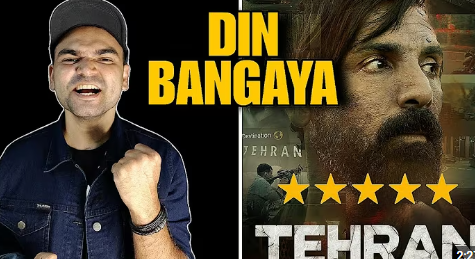
Tehran Movie Critics Review
The television series “Tehran”, produced in Israel and distributed internationally through Apple TV+, has attracted attention for its intense espionage narrative, geopolitical themes, and character-driven storytelling. The show blends thriller elements with political drama, focusing on cyber warfare, intelligence missions, and personal identity conflicts inside a hostile environment. Critics around the world have expressed diverse opinions regarding its artistic execution, realism, and entertainment value.
At its core, Tehran follows the story of a Mossad agent who infiltrates Iran’s capital city on a dangerous undercover mission. The series attempts to portray the psychological pressure of espionage alongside action-oriented sequences. Many critics appreciate the show for offering a perspective rarely explored in mainstream entertainment, especially regarding Middle Eastern intelligence conflicts.
The performance of the lead characters has been widely discussed among reviewers. Niv Sultan, who plays the protagonist Tamar Rabinyan, received significant praise for delivering a balanced performance combining emotional vulnerability and operational intelligence. Critics highlight her ability to portray fear, determination, and professional focus within high-risk scenarios. The supporting cast also contributes to building suspenseful storytelling, particularly in scenes involving Iranian intelligence officers and covert communication networks.
One of the strongest aspects highlighted by critics is the pacing of the series. Unlike traditional action thrillers that rely heavily on continuous combat or explosions, Tehran focuses on slow-building tension. Episodes often explore surveillance, identity deception, and psychological conflict rather than large-scale military confrontation. This narrative style appeals to viewers who enjoy intellectual thriller content rather than purely action-driven stories.
However, some critics have raised concerns regarding political representation. Since the story revolves around Israeli and Iranian intelligence operations, discussions about cultural portrayal have been common. Certain reviewers argue that the series sometimes simplifies complex regional realities for dramatic storytelling. Others believe the show attempts to humanize characters from opposing sides, showing that intelligence agents also experience personal moral dilemmas.
The cinematography of Tehran is another major discussion point among movie critics. The show uses urban night lighting, confined interior spaces, and handheld camera movement to create a sense of realism. City environments are presented as constantly tense and unpredictable, reflecting the nature of espionage missions. Sound design also plays a crucial role, with subtle background music increasing suspense during infiltration scenes.
From a technical perspective, the series demonstrates strong production quality. Editing techniques are used carefully to maintain continuity during mission sequences. Flashback storytelling is used occasionally to reveal character motivations and past experiences. Critics generally agree that the technical team succeeded in creating a visually engaging thriller atmosphere.
Audience reception has been largely positive, especially on international streaming platforms. Viewers appreciate the combination of personal drama and intelligence warfare. The show gained popularity because it offers a different style compared to Hollywood spy movies that often focus on Western intelligence agencies.
The global success of Tehran can also be linked to the rising demand for regional political thrillers. Modern audiences are increasingly interested in stories that explore diverse geopolitical environments. The series benefits from this trend by presenting Middle Eastern urban settings, cyber intelligence operations, and undercover identity struggles.
Character development is another area where critics present mixed opinions. Some reviewers argue that secondary characters could be explored more deeply. While the protagonist receives strong narrative focus, several supporting characters appear primarily as plot drivers rather than fully developed personalities. Expanding backstories in future seasons may improve emotional engagement.
The action choreography in Tehran is generally realistic compared to exaggerated spy movies. Combat scenes are relatively short and grounded in practical survival tactics. Instead of focusing on heroic battlefield moments, the show emphasizes escape strategies, secret communication, and digital intelligence manipulation.
Many film analysts also compare Tehran with other international spy series. When evaluated against global espionage dramas, the show stands out due to its regional authenticity and focus on psychological tension rather than high-budget action spectacle.
Streaming platform availability helped the series reach a wide global audience. Apple TV+ marketing strategy supported international distribution, allowing viewers from different countries to access the show simultaneously. This global release model contributed to its critical visibility.
The music composition used in the series blends traditional regional influences with modern thriller soundtracks. Background scores are used selectively, avoiding excessive musical distraction during dialogue-heavy scenes. Critics consider this approach effective for maintaining suspense.
The storytelling structure follows a mission-based progression. Each episode usually introduces new operational challenges while maintaining continuity of the central espionage objective. This episodic tension model encourages viewers to continue watching subsequent episodes.
Some reviewers believe that the series also explores themes of identity conflict. Characters often struggle between professional duty and personal emotion. The protagonist’s internal conflict represents the broader theme of living undercover in hostile territory.
International critics generally rate the series positively for its originality in the spy thriller genre. While it may not follow traditional Hollywood action standards, it succeeds in delivering psychological suspense and cultural narrative depth.
The visual presentation of urban intelligence operations is one of the show’s distinguishing features. Narrow streets, crowded marketplaces, and surveillance environments are frequently shown to emphasize danger and uncertainty.
Overall critical discussion suggests that Tehran represents a modern approach to geopolitical thriller storytelling. Instead of focusing solely on military power, the series explores technology, human psychology, and intelligence strategy. Its popularity reflects growing audience interest in complex narrative structures within streaming entertainment.
The series continues to attract attention for its combination of political tension, character-focused drama, and suspense-driven pacing. As streaming platforms expand international content libraries, productions like Tehran demonstrate the commercial and artistic potential of regional spy thriller storytelling.
| Aspect | Critics Opinion |
|---|---|
| Storyline | Engaging espionage narrative with psychological tension |
| Acting Performance | Strong lead performance, supportive secondary roles |
| Cinematography | Dark urban realism and suspense lighting |
| Political Representation | Mixed opinions regarding regional portrayal |
| Pacing | Slow-burn thriller style appreciated by many viewers |
| Action Scenes | Realistic and practical choreography |
| Music & Sound | Minimal but effective suspense background score |
| Global Appeal | High international streaming popularity |
The cultural impact of the series shows how modern streaming dramas can cross regional boundaries. By combining intelligence warfare with emotional storytelling, the show manages to remain relevant in contemporary thriller entertainment discussions. Critics continue to analyze its narrative techniques, production quality, and political context as new seasons are released.
Read Article: Tehran Movie Meaning and Message
Conclusion
In conclusion, Tehran is a compelling espionage thriller that delivers a mix of suspense, psychological drama, and international political storytelling. The series has successfully captured global attention by presenting a different style of spy narrative that focuses more on intelligence strategy and human emotions rather than only action-based sequences. Strong performances, especially by the lead actor, help create a realistic undercover atmosphere that keeps viewers emotionally invested.
Although the show has received some criticism regarding political interpretation and secondary character development, its overall production quality remains impressive. The cinematography, sound design, and slow-burn tension building contribute to a unique viewing experience. Tehran represents the growing influence of regional stories in global streaming platforms and shows how modern thriller dramas can cross cultural boundaries while maintaining narrative depth.
FAQs
1. What is the main story of Tehran?
Tehran follows an undercover intelligence agent who infiltrates Iran’s capital city to complete a dangerous Mossad mission while facing personal and professional risks.
2. Who is the main actor in Tehran?
The lead role of Tamar Rabinyan is played by Niv Sultan, whose performance has been widely appreciated by critics and audiences.
3. Where can I watch Tehran?
The series is available on the Apple TV+ streaming platform for international viewers.
4. Is Tehran based on real events?
The series is a fictional espionage drama, but it incorporates realistic political and intelligence themes inspired by regional tensions.
5. Why is Tehran popular globally?
The show is popular because of its suspenseful storytelling, strong character psychology, realistic spy operations, and high-quality cinematography.