How Tehran Movie Was Made
Introduction to Tehran Movie Production
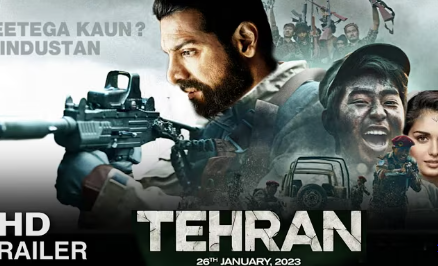
Tehran is a modern spy thriller that gained worldwide attention because of its intense storytelling, political background, and realistic action sequences. The movie reflects the tension between intelligence agencies and undercover operations in the Middle East region. The making of Tehran was not simple because it required careful planning, international collaboration, and technical precision.
The filmmakers wanted to create a story that felt real and emotionally engaging. To achieve authenticity, the production team studied real intelligence operations, urban life in Tehran, and the working style of undercover agents. The movie blends drama, suspense, and geopolitical tension while maintaining cinematic entertainment.
Development of Story and Concept Design
The idea behind Tehran was born from the popularity of espionage thrillers and real-world intelligence conflicts. Writers focused on creating characters that were morally complex rather than purely heroic or villainous.
The development phase included multiple research sessions. Screenwriters analyzed historical intelligence events, political relationships, and urban warfare psychology. The goal was to avoid unrealistic action scenes and build a believable world.
The character design process was equally important. Each character was given a backstory, motivation, and emotional conflict. This helped actors understand their roles more deeply.
| Stage | Main Activities |
|---|---|
| Idea Formation | Concept discussion and geopolitical theme selection |
| Research Phase | Intelligence operations, culture, and urban life study |
| Script Writing | Dialogue creation and suspense structure |
| Character Development | Psychological and behavioral modeling |
| Approval Process | Final review by production and direction team |
Casting Process and Actor Preparation
Casting played a crucial role in the success of Tehran. The filmmakers searched for actors who could express emotional tension and intelligence simultaneously.
Actors were selected based on their ability to perform natural dialogue delivery and subtle facial expressions. Since the movie is based on espionage, overacting was avoided.
Many actors underwent special training before filming started.
Training programs included:
- Basic intelligence operation understanding
- Hand-to-hand combat training
- Weapon handling safety instruction
- Emotional expression control
- Urban navigation movement style
| Actor Requirement | Description |
|---|---|
| Physical Fitness | Required for action sequences |
| Emotional Acting | Needed for undercover spy role |
| Language Skills | Important for international dialogue scenes |
| Psychological Expression | To show tension and secrecy |
Location Selection and Set Design
The location selection was one of the most challenging parts of the production.
Although the movie is named Tehran, many scenes were not shot inside Iran due to political and logistical restrictions. Instead, the production team used alternative locations that resembled Tehran’s city environment.
Cities used for shooting included:
- Athens (Greece)
- Parts of Europe with Middle Eastern architecture style
- Studio-built urban environments
Set designers worked carefully to replicate street markets, residential zones, and government building interiors.
Lighting was also carefully controlled to create a suspenseful atmosphere. Dark shadows, neon reflections, and narrow street visuals were used frequently.
Cinematography and Camera Work
Cinematography was a major reason why Tehran looked realistic.
The camera team used a combination of handheld shooting and steady cinematic shots. Handheld movement helped create a documentary-style realism, which is common in spy thriller movies.
Technical details included:
- Low-light camera optimization
- Fast movement stabilization technology
- Close facial expression shooting
- Urban crowd simulation shots
The directors avoided excessive visual effects because they wanted viewers to feel that events were happening in real life.
| Cinematography Technique | Purpose |
|---|---|
| Handheld Camera Style | Realistic spy operation feeling |
| Night Shooting Optimization | Suspense creation |
| Close-Up Shots | Emotional tension display |
| Slow Scene Transition | Story pressure building |
Action Scene Design and Safety Measures
Action scenes in Tehran were designed carefully. Instead of using unrealistic superhero-style fighting, the movie focused on practical combat movements.
Stunt coordinators worked with actors to practice movements repeatedly before filming.
Safety was a major priority. The production team used protective equipment during dangerous scenes. Medical staff were also present on set.
Explosion scenes were created using controlled practical effects combined with digital post-production enhancement.
Important safety strategies included:
- Distance control during explosion shots
- Wired stunt protection systems
- Slow-motion testing before final shooting
- Professional stunt double usage
Music and Sound Design
Sound design played a powerful role in building suspense.
The music team mixed Middle Eastern instrumental sounds with modern thriller background music. Traditional instruments helped maintain regional cultural atmosphere.
Sound engineers used layered audio techniques:
- Background city noise simulation
- Whisper dialogue enhancement
- Weapon sound realism adjustment
- Emotional tension music layering
Silence was also used strategically. Sometimes, removing music created more pressure in suspense scenes.
| Sound Element | Function |
|---|---|
| Bass Tension Sound | Fear and suspense generation |
| Cultural Instrumental Tone | Regional authenticity |
| Dialogue Clarity Enhancement | Audience understanding |
| Environmental Noise | Realistic city feeling |
Post-Production and Visual Effects
Post-production was completed in multiple stages.
First, editors arranged scenes according to story flow. Then color grading was applied to create a dark espionage atmosphere.
Visual effects were used but kept minimal. The goal was not to create fantasy action but to enhance realism.
Tasks in post-production included:
- Color tone correction
- Background crowd addition
- Movement smoothing
- Explosion smoke enhancement
- Night sky visual adjustment
Editing team worked for several months before final release.
Challenges During Movie Making
Making Tehran was not easy. The production faced many challenges.
Political sensitivity was one of the biggest problems because the movie is related to real geopolitical regions.
Other challenges included:
- Location shooting restrictions
- Language authenticity maintenance
- Spy operation accuracy
- Actor safety management
- Budget balancing
The team solved these problems by using international collaboration and advanced studio technology.
Audience Impact and Global Popularity
After release, Tehran received attention from global audiences.
Viewers appreciated:
- Realistic spy operation story
- Emotional character development
- Suspenseful atmosphere
- Cultural background presentation
The movie helped increase interest in Middle Eastern spy thriller cinema.
Streaming platforms also played an important role in worldwide distribution.
Technical Equipment Used in Production
| Equipment Type | Usage |
|---|---|
| ARRI Cinematic Cameras | High quality night shooting |
| Stabilized Gimbals | Movement smoothness |
| Professional Lighting Kits | Shadow control |
| Sound Recording Devices | Dialogue clarity |
| Drone Cameras | City view shooting |
Cultural and Artistic Importance of Tehran
The movie is not only entertainment but also a cultural representation of modern spy conflict storytelling.
It shows how intelligence operations affect human emotions and personal life.
The artistic style combines:
- Modern thriller cinema
- Regional cultural visuals
- Psychological drama elements
- Political suspense storytelling
The production team tried to balance entertainment and realism.
Future Influence of the Movie
Tehran influenced new spy thriller projects.
Many filmmakers started focusing more on realistic intelligence storytelling rather than exaggerated action.
The movie also encouraged international collaboration in filmmaking.
Streaming success showed that audience interest in spy drama is growing globally.
Read Article: Tehran Movie Female Lead Role
Conclusion
The making of Tehran movie represents modern filmmaking excellence where story depth, technical innovation, and realistic spy thriller presentation were combined successfully. The production process required strong research, international location management, professional acting preparation, and advanced cinematography techniques.
From concept development to post-production editing, every stage was handled carefully to maintain authenticity and suspense. The movie’s success showed that audiences appreciate intelligent storytelling, emotional character design, and realistic action rather than exaggerated cinematic fantasy.
Tehran also contributed to the global popularity of Middle Eastern thriller cinema and inspired new filmmakers to focus on meaningful narrative structure. The movie will remain an important example of how political drama and entertainment can be blended into modern cinema.
Frequently Asked Questions (FAQs)
1. Is Tehran movie based on real events?
Tehran is inspired by real geopolitical tensions and intelligence operation concepts, but the story itself is fictionalized for entertainment purposes.
2. Where was Tehran movie filmed?
Although the movie represents Tehran city, many scenes were filmed in other international locations due to political and production restrictions.
3. Why is Tehran movie popular?
The movie became popular because of its realistic spy thriller style, strong character development, and suspenseful storytelling.
4. What type of genre is Tehran movie?
It is mainly an espionage thriller combined with political drama and action elements.
5. Did the movie use heavy visual effects?
No, the production team preferred practical effects and minimal CGI to maintain realism.
6. Who is the target audience of Tehran movie?
The movie is suitable for audiences who enjoy spy thrillers, intelligence stories, and political drama cinema.