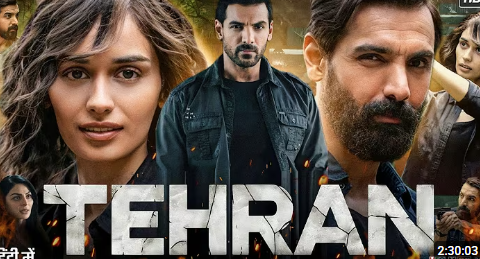
Tehran Movie Famous Actor Review: John Abraham’s Powerful Transformation on the Global Stage
Introduction to Tehran
Tehran is one of the most anticipated action-thriller films featuring John Abraham, an actor widely recognized for his commanding screen presence and dedication to physically demanding roles. Known for his patriotic thrillers and high-intensity action films, John Abraham steps into a new territory with Tehran, a film inspired by real geopolitical tensions and international intelligence operations.
Unlike conventional commercial entertainers, Tehran aims to present a more layered narrative rooted in political complexity, espionage strategy, and emotional depth. The film moves beyond surface-level action and attempts to explore diplomacy, covert missions, and the psychological cost of high-stakes operations. At the center of this ambitious project stands John Abraham, delivering a performance that balances strength, restraint, and realism.
Plot Overview and Narrative Direction
Tehran revolves around an undercover intelligence mission that unfolds amid rising international tensions. The storyline reportedly draws inspiration from true events involving diplomatic conflicts and secret operations. The film blends political drama with suspense, crafting a narrative that gradually builds intensity rather than relying solely on explosive action sequences.
The structure of the story appears carefully layered:
- Political Background Setup – Establishing the international crisis.
- Introduction of the Protagonist – A skilled operative assigned to a high-risk mission.
- Deepening Conflict – Moral dilemmas and strategic obstacles.
- Climactic Confrontation – Where intelligence and survival instincts collide.
The screenplay attempts to strike a balance between action-driven sequences and strategic conversations, giving the audience insight into the mechanics of espionage rather than just its adrenaline-filled results.
John Abraham’s Character Analysis
John Abraham portrays a seasoned intelligence officer operating in a hostile foreign environment. Unlike his earlier roles where physical power often dominated the character arc, this role emphasizes subtlety, calculation, and emotional control.
Character Traits
| Aspect | Description |
|---|---|
| Professionalism | Calm, disciplined, and highly strategic |
| Emotional Depth | Displays inner conflict without exaggerated drama |
| Physical Presence | Strong yet restrained body language |
| Leadership Skills | Commands authority without shouting or overacting |
| Moral Complexity | Faces difficult decisions affecting larger political outcomes |
John’s performance reflects maturity. His dialogue delivery is controlled, often understated, allowing silence to carry weight. This approach strengthens the film’s serious tone and enhances its realism.
Performance Review: A Career Evolution
John Abraham has built a reputation through films like Dhoom, Madras Cafe, Batla House, and Satyameva Jayate. However, Tehran appears to represent a shift toward more nuanced storytelling.
Key Strengths in His Performance
- Controlled Intensity
Instead of explosive anger, John uses minimalistic expressions. His eyes and subtle gestures convey tension effectively. - Physical Commitment
As expected, the actor maintains peak physical fitness. However, the action choreography seems more realistic than stylized, emphasizing practical combat and strategic movement. - Emotional Restraint
The character does not rely on melodrama. John portrays vulnerability in quiet moments, especially when dealing with mission consequences. - Authenticity in Dialogue Delivery
His dialogues are delivered in a grounded manner, avoiding dramatic exaggeration, which aligns with the film’s serious theme.
Direction and Cinematic Vision
The direction of Tehran appears focused on authenticity. The film does not glamorize war or espionage; instead, it highlights the complexities behind international operations. The pacing is steady, gradually intensifying rather than overwhelming the viewer with constant action.
The director ensures that:
- Action sequences serve the story.
- Political discussions feel purposeful.
- The tension remains consistent throughout.
The use of real-world references gives the film credibility and enhances audience engagement.
Cinematography and Visual Tone
One of the most noticeable aspects of Tehran is its visual atmosphere. The cinematography captures urban landscapes, shadow-filled interiors, and tense meeting rooms with a cold, muted color palette.
Visual Elements Overview
| Element | Impact on Film |
|---|---|
| Dark Color Palette | Enhances seriousness and realism |
| Close-up Shots | Emphasizes emotional tension |
| Wide Urban Frames | Highlights isolation in foreign territory |
| Handheld Camera Moments | Adds urgency and realism |
The visuals complement John Abraham’s restrained acting style. Instead of flashy cinematography, the film opts for realism, reinforcing the narrative’s authenticity.
Action Sequences and Choreography
Action remains an important component, but it is grounded in reality. Rather than slow-motion hero shots or exaggerated stunts, the fight scenes feel tactical and believable.
Key characteristics of the action:
- Practical combat techniques
- Limited background music during intense scenes
- Focus on survival rather than heroism
- Quick, decisive movements
John Abraham’s physical training is evident, yet the choreography ensures that the action never overshadows the story.
Music and Background Score
The background score plays a subtle yet significant role in maintaining tension. Instead of loud or overpowering music, the soundtrack uses minimalistic orchestration to support dramatic moments.
Music Characteristics:
- Slow-building tension themes
- Low-frequency background tones
- Emotional instrumentals during reflective scenes
This approach allows viewers to remain immersed in the narrative without distraction.
Supporting Cast and Chemistry
Although John Abraham leads the film, the supporting cast contributes significantly to the story’s credibility. Characters representing diplomats, intelligence officers, and political figures create a layered environment.
The interactions feel professional rather than dramatic, reflecting real-life diplomatic exchanges. The chemistry between characters is built on mutual respect, suspicion, and strategic communication rather than emotional dependency.
Themes Explored in Tehran
The film explores several complex themes:
- Patriotism vs. Diplomacy
- Moral Responsibility in Intelligence Work
- Global Political Power Struggles
- Sacrifice Behind National Security
John Abraham’s character serves as a lens through which these themes are examined. The film does not offer simplistic answers but instead portrays the grey areas of international politics.
Comparison with John Abraham’s Previous Films
| Film | Genre | Character Type | Performance Style |
|---|---|---|---|
| Madras Cafe | Political Thriller | Intelligence Officer | Realistic and intense |
| Batla House | Crime Drama | Police Officer | Emotional and serious |
| Satyameva Jayate | Action | Vigilante | Dramatic and fiery |
| Tehran | Political Thriller | Covert Operative | Controlled and mature |
Tehran seems closest in tone to Madras Cafe, but with a more refined emotional performance. The maturity in John’s acting reflects his evolution as an actor willing to experiment with layered roles.
Audience Appeal and Critical Perspective
The film primarily appeals to viewers who appreciate:
- Intelligent political thrillers
- Realistic action
- Character-driven storytelling
- Geopolitical narratives
It may not satisfy audiences looking purely for commercial entertainment filled with song sequences and exaggerated drama. Instead, it targets a more mature audience interested in suspense and strategic storytelling.
Critics are likely to appreciate:
- The grounded tone
- John Abraham’s disciplined performance
- The serious subject matter
- The realistic depiction of intelligence operations
Technical Strengths Summary
| Department | Evaluation |
|---|---|
| Acting | Strong, mature performance by John Abraham |
| Direction | Focused and realistic |
| Screenplay | Structured and politically engaging |
| Cinematography | Dark and immersive |
| Action | Tactical and believable |
| Music | Subtle and tension-driven |
Overall Artistic Impact
Tehran represents an important step in John Abraham’s career trajectory. Instead of relying solely on his action-hero image, he embraces a role demanding emotional control and intellectual presence. The film attempts to elevate mainstream action cinema by incorporating realism and geopolitical depth.
John Abraham’s portrayal feels disciplined, composed, and strategically layered. His transformation from a high-energy action star to a more nuanced performer is evident throughout the film. The seriousness of the subject matter combined with his restrained performance strengthens the film’s credibility.
Tehran stands as a politically aware thriller that focuses on intelligence, moral complexity, and global tension while maintaining cinematic engagement through strong performances and immersive storytelling.
Read Article: Tehran Movie Famous Actor – A Deep Insight into the Star Who Defined the Film
Conclusion
Tehran stands as a significant milestone in John Abraham’s cinematic journey, marking a shift from conventional high-energy action roles to a more refined and intellectually layered performance. The film successfully blends political realism with suspense-driven storytelling, creating an atmosphere that feels both tense and authentic. Rather than depending solely on explosive sequences, it builds its strength through controlled performances, strategic pacing, and thematic depth.
John Abraham’s portrayal of a composed and morally challenged intelligence operative demonstrates clear artistic growth. His restrained expressions, disciplined body language, and emotionally grounded performance elevate the character beyond the typical action-hero stereotype. This maturity in acting reinforces the film’s serious tone and strengthens its credibility as a political thriller.
Technically, Tehran maintains a consistent standard across direction, cinematography, and screenplay. The grounded action choreography and subtle background score enhance immersion without overpowering the narrative. The supporting cast further enriches the storyline, contributing to the realistic portrayal of diplomatic tensions and covert operations.
Overall, Tehran emerges as a thoughtfully crafted thriller that prioritizes realism, character depth, and geopolitical complexity. It not only showcases John Abraham’s evolution as an actor but also reinforces his position as a performer capable of handling intense, globally relevant narratives with conviction and maturity.
FAQs
1. What is the main theme of the movie Tehran?
The main theme of Tehran revolves around international espionage, geopolitical tensions, and the moral complexities faced by intelligence officers during high-risk covert missions. The film explores patriotism, diplomacy, and the psychological pressure behind national security operations.
2. What role does John Abraham play in Tehran?
John Abraham portrays a skilled intelligence officer assigned to a sensitive undercover mission in a foreign country. His character is disciplined, strategic, and emotionally restrained, reflecting the seriousness of real-world intelligence work.
3. Is Tehran based on a true story?
The film is reportedly inspired by real geopolitical events and covert operations. While it may not be a direct biographical adaptation, it draws from realistic political tensions and international diplomatic scenarios to create an authentic narrative.
4. How is John Abraham’s performance different in this film compared to his previous movies?
In Tehran, John Abraham adopts a more mature and controlled acting style. Instead of relying heavily on dramatic expressions or exaggerated action, he delivers a subtle, emotionally layered performance that focuses on realism and internal conflict.
5. Does the movie focus more on action or political drama?
Tehran balances both elements, but it leans more toward political drama and strategic storytelling. The action sequences are realistic and purposeful, supporting the narrative rather than dominating it.
6. Who would enjoy watching Tehran the most?
The film is ideal for viewers who appreciate intelligent thrillers, realistic espionage stories, and character-driven narratives. Audiences interested in global politics and serious action dramas are likely to find it engaging.
7. How is the cinematography in Tehran?
The cinematography uses a darker color palette and realistic framing to enhance tension and seriousness. Close-up shots and urban landscapes create an immersive atmosphere that complements the film’s intense tone.
8. Is Tehran similar to John Abraham’s film Madras Cafe?
Yes, in terms of genre and tone, Tehran shares similarities with Madras Cafe. Both films focus on political conflict and intelligence operations, though Tehran presents a more refined and emotionally controlled performance from John Abraham.
9. Are the action scenes exaggerated or realistic?
The action scenes are grounded and tactical rather than exaggerated. The film emphasizes survival strategies, practical combat techniques, and realistic mission execution instead of stylized hero moments.
10. Does the movie highlight emotional depth along with suspense?
Yes, while suspense remains central, the film also explores the emotional burden and ethical dilemmas faced by intelligence officers, adding depth to the storyline and to John Abraham’s character portrayal.