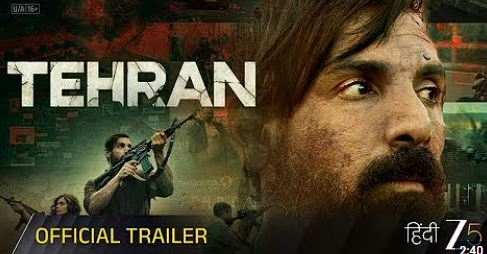
Tehran Movie: Interesting Facts, Hidden Details, and Behind-the-Scenes Insights
Introduction to Tehran
Tehran is a gripping espionage thriller that has captured international attention for its intense storytelling, layered characters, and authentic portrayal of covert operations. Set primarily in Iran’s capital city, the story revolves around a Mossad hacker-agent on a high-stakes undercover mission. The series blends political tension, cyber warfare, emotional conflict, and cultural depth into a powerful cinematic experience that feels both realistic and suspenseful.
Unlike many traditional spy dramas that rely heavily on action sequences, Tehran stands out because of its psychological depth, moral dilemmas, and complex portrayal of identity. The show explores themes of loyalty, patriotism, family, and survival in an environment where trust is fragile and danger is constant.
The Unique Storyline and Concept
One of the most interesting aspects of Tehran is its focus on cyber espionage. The main character, Tamar Rabinyan, is not a typical action hero but a highly skilled computer hacker and intelligence operative. Her mission involves infiltrating Tehran under a false identity to disable an Iranian nuclear facility’s defense systems.
This digital warfare element gives the series a modern edge. Instead of relying only on guns and explosions, the show emphasizes hacking, encrypted communications, and technological sabotage. The suspense is built around whether she can remain undetected in a city filled with surveillance systems and intelligence networks.
Another fascinating detail is how the narrative presents multiple perspectives. Viewers see the story from both Israeli and Iranian viewpoints, which adds depth and avoids simplistic portrayals of “good vs. evil.” Characters on both sides are shown with human emotions, personal struggles, and moral complexity.
Production Background and International Collaboration
Tehran is an Israeli television series produced by Kan 11 and later distributed internationally by Apple TV+. Its global distribution significantly increased its popularity and introduced it to a wider audience.
Below is an overview of the production details:
| Aspect | Details |
|---|---|
| Original Network | Kan 11 (Israel) |
| International Distributor | Apple TV+ |
| Genre | Espionage, Thriller, Drama |
| First Release Year | 2020 |
| Creator | Moshe Zonder |
| Main Filming Locations | Greece (Athens), due to restrictions in Iran |
One surprising fact is that the series was not filmed in Iran. Because of political and logistical limitations, production took place primarily in Greece. Athens was carefully chosen because some of its urban architecture resembles parts of Tehran. The production team paid great attention to detail to recreate the atmosphere authentically.
Realism and Cultural Accuracy
A major reason behind the series’ success is its commitment to realism. The creators consulted experts in intelligence, cybersecurity, and Middle Eastern politics to ensure accuracy in operations and terminology.
The show includes authentic Persian dialogue, realistic intelligence procedures, and culturally accurate portrayals of daily life in Tehran. Many actors of Iranian descent were cast to maintain authenticity. This decision added emotional weight and credibility to the storytelling.
Costume design and set decoration were also carefully researched. From street signs to interior decorations, everything was crafted to replicate the Iranian capital as closely as possible.
Strong Female Lead Character
Tamar Rabinyan is portrayed as intelligent, determined, and emotionally complex. Unlike stereotypical spy characters, she struggles with fear, guilt, and homesickness. Her internal conflicts make her relatable and human.
Here are some defining traits of Tamar’s character:
| Character Trait | Description |
|---|---|
| Technical Expertise | Advanced hacking and cybersecurity skills |
| Multilingual Ability | Fluent in Hebrew, Persian, and English |
| Emotional Depth | Faces moral dilemmas and identity struggles |
| Adaptability | Quickly adjusts to dangerous environments |
Her character also represents a modern shift in spy dramas where women take on leading roles without being reduced to clichés. The story highlights her intelligence and courage rather than focusing only on physical strength.
Political Sensitivity and Global Reception
Because the storyline revolves around real-world tensions between Israel and Iran, the series carries political sensitivity. However, one interesting fact is that the creators avoided overt propaganda. Instead, they focused on individual human stories within a political context.
International audiences praised the show for its balanced narrative and realistic tone. Critics appreciated how the Iranian characters were not portrayed as one-dimensional villains but as individuals with their own motivations and vulnerabilities.
The global success of Tehran also demonstrates the growing international appeal of non-English television productions. It proves that strong storytelling can transcend language barriers.
Award Recognition and Critical Acclaim
Tehran has received multiple awards and nominations, reflecting its high production quality and compelling narrative.
| Award Category | Recognition |
|---|---|
| International Emmy Award | Best Drama Series |
| Israeli Television Academy Awards | Multiple nominations and wins |
| Global Critics Recognition | Praised for suspense and realism |
Winning the International Emmy Award significantly elevated the show’s reputation and established it as one of the most successful Israeli dramas worldwide.
Cinematography and Visual Style
The cinematography of Tehran plays a key role in building tension. The visual tone often uses darker color palettes, shadow-heavy scenes, and tight framing to create a sense of confinement and danger.
Night scenes in particular are crafted with precision, emphasizing secrecy and unpredictability. The camera work frequently uses close-ups to capture emotional reactions, allowing viewers to connect deeply with the characters’ internal struggles.
The editing style is sharp and fast-paced during mission sequences, while slower during emotional scenes, creating a balanced rhythm throughout each episode.
Hidden Details and Symbolism
Several symbolic elements are subtly woven into the narrative. Identity is a recurring theme—Tamar operates under a false name, constantly navigating between who she is and who she pretends to be. This duality symbolizes broader themes of cultural and political identity.
The city of Tehran itself becomes almost like a character. Its crowded streets, underground movements, and surveillance systems create an atmosphere of constant tension. The environment reflects the protagonist’s emotional state—isolated yet surrounded by people.
Another interesting detail is the portrayal of family relationships. Whether Israeli or Iranian, family bonds are shown as powerful forces influencing decisions. This humanizes characters on both sides of the conflict.
The Role of Technology in the Narrative
Technology is not just a background tool in Tehran; it is central to the storyline. Cybersecurity, surveillance cameras, encrypted messages, and hacking sequences are realistically presented.
The show highlights how modern intelligence agencies rely heavily on digital warfare. Power grids, missile defense systems, and airport databases become battlegrounds in a silent cyber conflict.
This technological focus reflects contemporary global security challenges, making the story feel timely and relevant.
Supporting Characters and Their Impact
While Tamar is the central figure, the supporting cast significantly enriches the narrative. Iranian intelligence officers, local civilians, and fellow Mossad agents all have layered personalities.
The Iranian Revolutionary Guard officer hunting Tamar is portrayed with depth and intelligence. Instead of being depicted as purely antagonistic, he is shown as loyal to his country and devoted to his family.
This balanced characterization creates emotional tension. Viewers often find themselves empathizing with multiple sides, which is rare in political thrillers.
Language and Multicultural Elements
The series uses multiple languages, including Hebrew, Persian, and English. This multilingual approach enhances authenticity and immerses viewers in the geopolitical setting.
Subtitles allow global audiences to follow the narrative while preserving linguistic realism. This approach also reflects the interconnected nature of modern espionage, where agents often operate across cultural boundaries.
Why Tehran Stands Out Among Spy Thrillers
Many spy dramas focus heavily on action-packed sequences and unrealistic heroism. Tehran distinguishes itself by combining suspense with emotional vulnerability. The protagonist is not invincible; she makes mistakes, faces fear, and experiences consequences.
The show also avoids simplistic narratives. Political tensions are presented as complex and layered rather than black-and-white conflicts. This intellectual depth appeals to viewers seeking more than surface-level entertainment.
Impact on International Television
The global success of Tehran highlights the increasing influence of regional productions on international streaming platforms. Israeli television, in particular, has gained recognition for producing high-quality dramas that later receive international adaptations or distribution.
The series has helped broaden representation of Middle Eastern settings in global media, encouraging more nuanced portrayals of complex regions.
Read Article: How Tehran Movie Was Made
Conclusion
Tehran stands as a remarkable achievement in modern espionage storytelling, blending intelligence operations, cyber warfare, and deeply human drama into one compelling narrative. Its strength lies not only in suspenseful missions and political intrigue but also in its emotional realism and layered character development. By presenting multiple perspectives with sensitivity and authenticity, the series moves beyond traditional spy thrillers and offers a more thoughtful exploration of identity, loyalty, and moral conflict.
The show’s international success demonstrates how powerful storytelling can transcend borders, languages, and political differences. With its meticulous production design, culturally accurate details, and strong performances, Tehran has redefined expectations for global television dramas. It remains a standout example of how complex geopolitical themes can be transformed into engaging, character-driven entertainment that resonates with audiences worldwide.
Frequently Asked Questions (FAQs)
1. What is Tehran about?
Tehran is an espionage thriller centered on Tamar Rabinyan, a Mossad hacker-agent sent on a covert mission to Tehran. Her objective is to infiltrate the city under a false identity and disable a nuclear facility’s defense systems. The story follows her struggle to survive in hostile territory while navigating complex political and emotional challenges.
2. Is Tehran based on a true story?
The series is not directly based on a specific true story, but it is inspired by real-world geopolitical tensions and intelligence operations. The creators conducted detailed research on cybersecurity, espionage techniques, and Middle Eastern politics to ensure realism in the narrative.
3. Where was Tehran filmed?
Although the story is set in Iran’s capital, filming did not take place in Tehran. Most of the production occurred in Athens, Greece. The city’s architecture and urban landscape were carefully selected and modified to resemble Tehran.
4. Who created the series?
Tehran was created by Moshe Zonder. The show was originally produced for Israel’s public broadcaster Kan 11 before being distributed internationally through Apple TV+.
5. What makes Tehran different from other spy thrillers?
Unlike many spy dramas that focus mainly on action scenes, Tehran emphasizes psychological tension, cyber warfare, and moral dilemmas. The protagonist is portrayed as emotionally complex rather than invincible, which adds realism and depth to the story.
6. Which languages are spoken in the series?
The series features multiple languages, primarily Hebrew, Persian (Farsi), and English. This multilingual approach enhances authenticity and reflects the international nature of intelligence operations.
7. Has Tehran won any awards?
Yes, Tehran has received international recognition, including an International Emmy Award for Best Drama Series. It has also earned nominations and awards from the Israeli Television Academy.
8. Is the portrayal of Tehran culturally accurate?
The production team made significant efforts to maintain cultural authenticity. They consulted experts, hired actors of Iranian descent, and paid close attention to language, set design, and costume details to accurately reflect life in Tehran.
9. Who plays the main character?
The main character, Tamar Rabinyan, is portrayed by Niv Sultan. Her performance has been widely praised for capturing both the technical brilliance and emotional vulnerability of the character.
10. Is Tehran suitable for all audiences?
The series contains intense themes, political tension, and scenes of violence typical of spy thrillers. It is generally intended for mature audiences who enjoy complex drama and suspenseful storytelling.